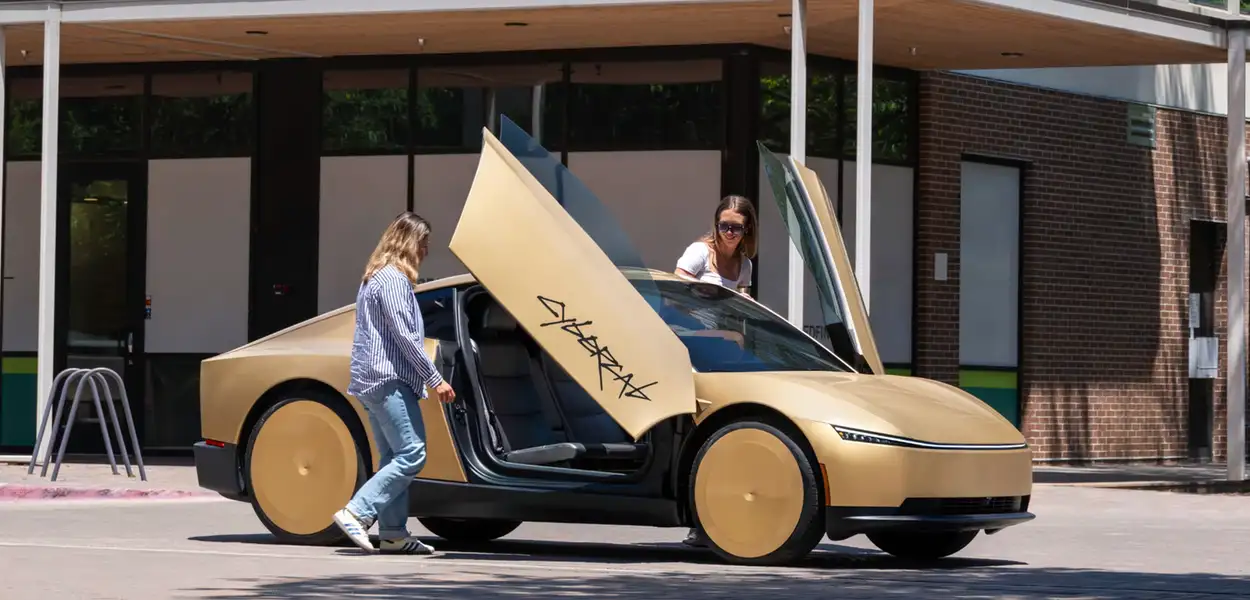
Cybercab launch
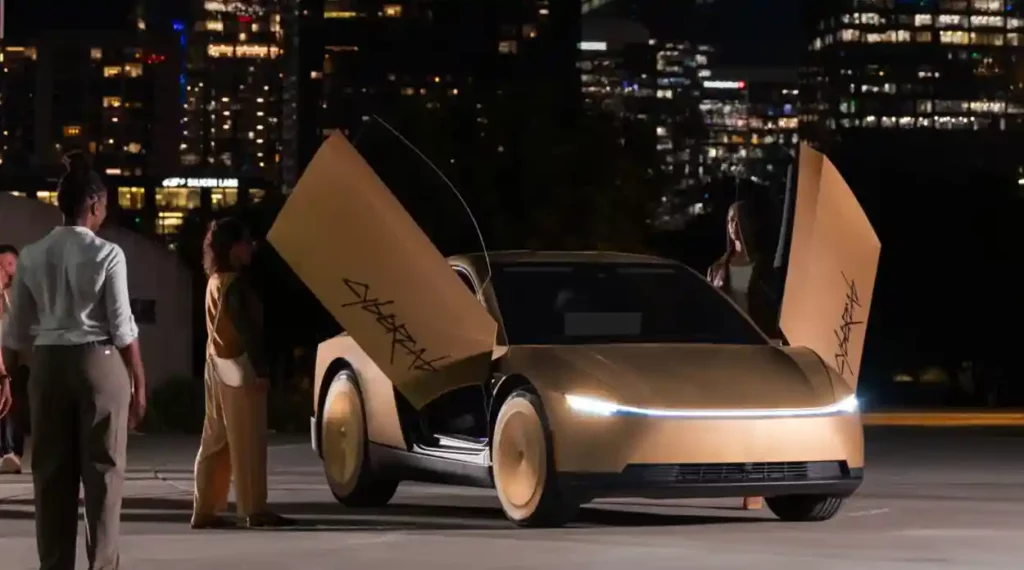
Tesla finally put its steering-wheel-free Cybercab on public roads in Austin last week, and the muted rollout tells you more about the company’s future than the glossy Hollywood reveal ever did. Elon Musk has staked Tesla’s story on this two-seater. Whether it pays off comes down to three things: economics, regulation, and a rival that is miles ahead.
From invite-only fanfare to public rides
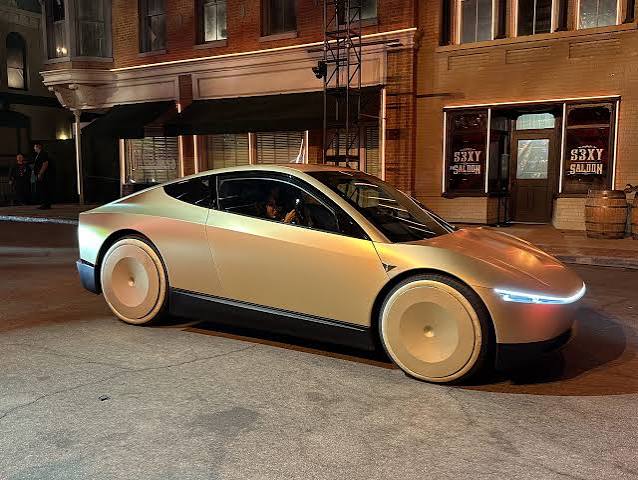
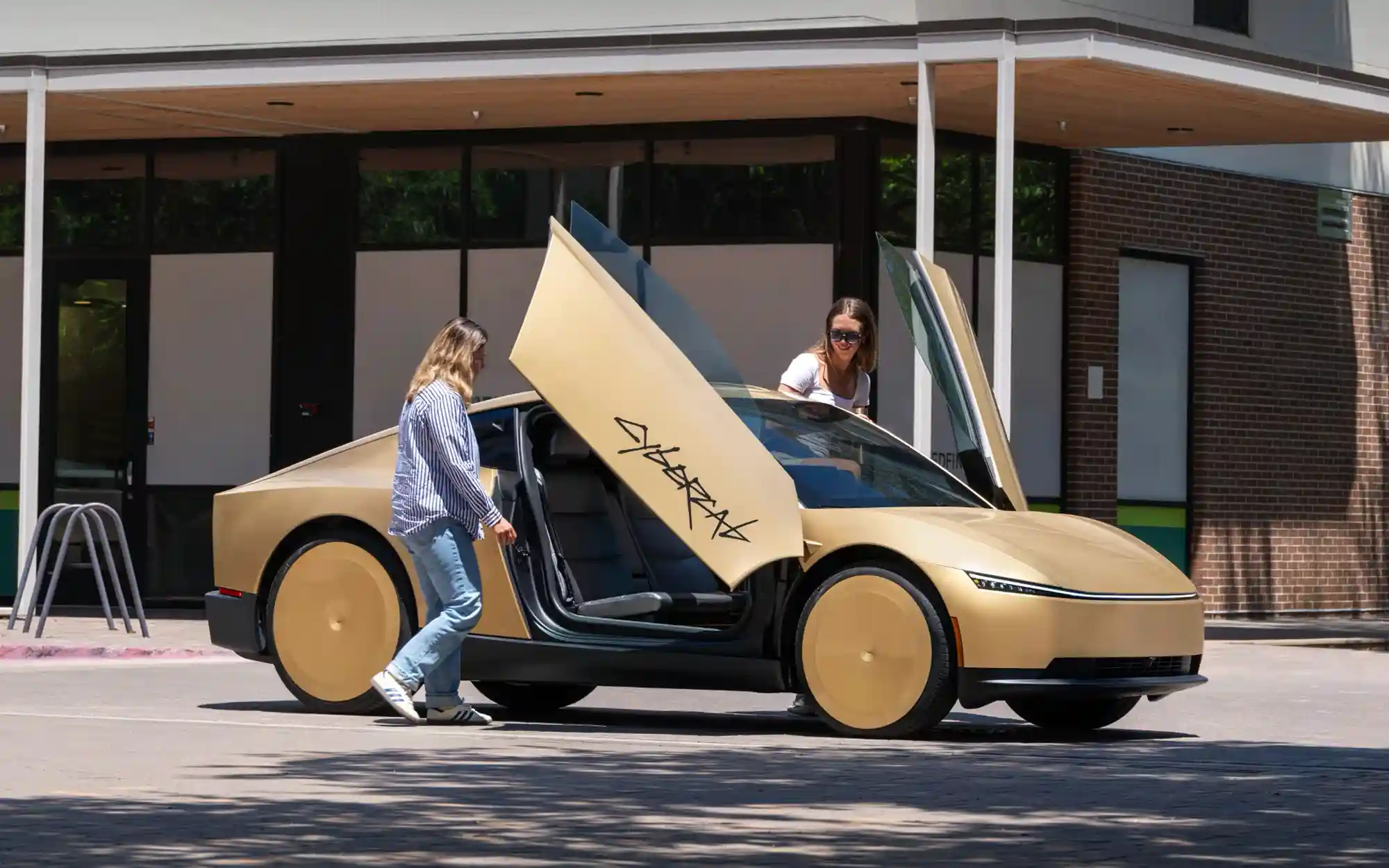
Last week’s launch was not quite the open-door affair it looked. Tesla held a closed, invite-only event in downtown Austin, welcoming hundreds of hand-picked fans and supporters to take the first rides through the city.
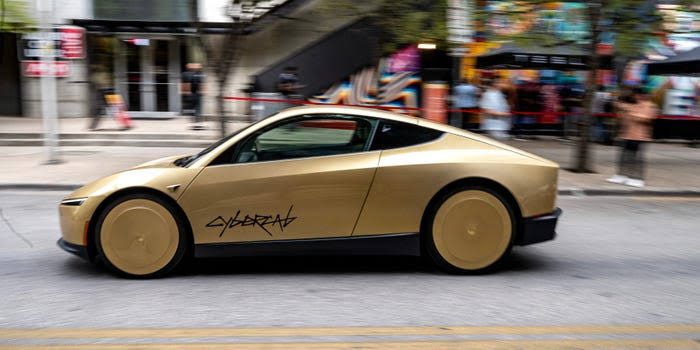
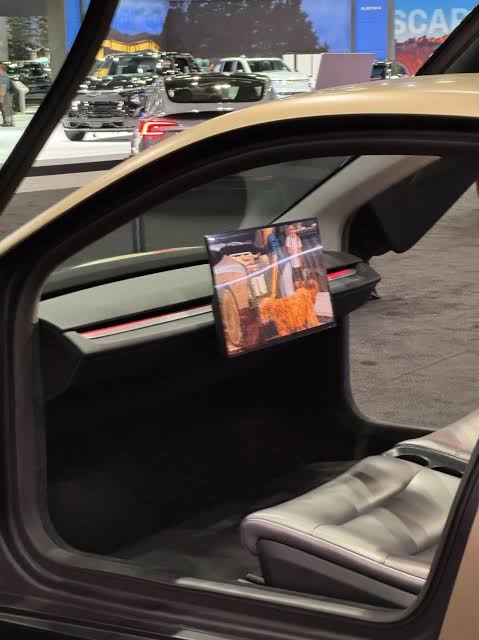
That has now changed as members of the public in Austin can summon a Cybercab through Tesla’s Robotaxi app. You open the app, enter a destination within the mapped service area, review the fare and estimated wait, and confirm. A driverless Cybercab is then dispatched to you. The car recognises the rider’s phone and opens its door automatically, and passengers start and end the trip from the in-car touchscreen. It is the first time anyone outside Tesla’s guest list can ride the vehicle for a fare. Initial reports shared on YouTube are overwhelmingly positive.
Subtraction by design
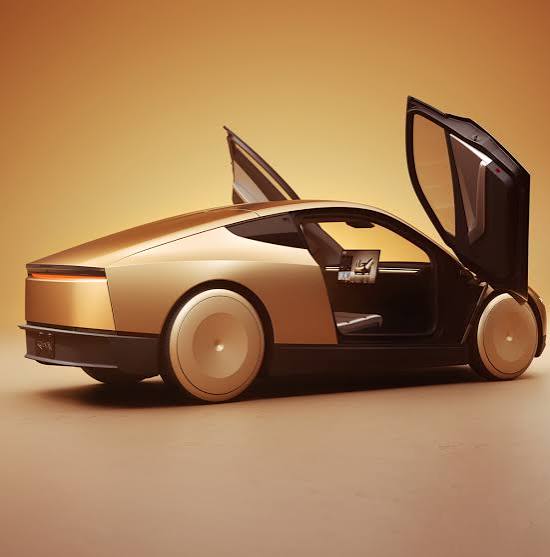
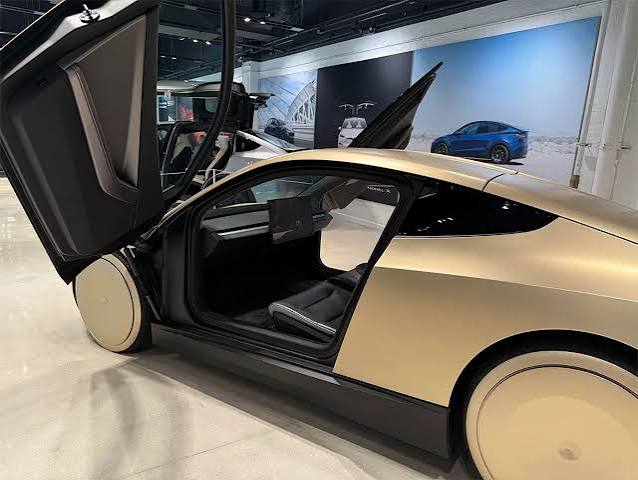
Key to success is that the Cybercab was not adapted from an existing model. It was drawn from a blank sheet as an autonomous vehicle, and almost every design choice is an exercise in taking parts out. There is no steering wheel, no pedals, and no wing mirrors. There is no driver instrument cluster either, because there is no driver.
Most striking is the braking system, or rather the absence of a conventional one. The Cybercab carries no brake fluid, no brake lines, and no master cylinder. Instead, each caliper has its own electronically controlled actuator, a “dry brake-by-wire” arrangement that makes it one of the first production cars in the world to drop hydraulics entirely. The steering is electronic too, with no steering column. Even the front motor is pared back: Tesla says it is 18% smaller and 25% lighter than a comparable unit, and uses no rare-earth metals.
Every deletion serves the same goal: fewer parts, lower cost, and less to maintain across a fleet expected to run most of the day. That philosophy carries through to the factory. The Cybercab is the first vehicle built on Tesla’s “unboxed” process, which assembles the car as separate modules, front, rear, floor, and battery, in parallel, joins them with industrial adhesives instead of welds. Body panels are a type of plastic that is pre-coloured, removing the need for a paint shop, a huge potential saving in time and money. Tesla claims the approach can cut production costs by up to half and shrink the factory footprint by 40%. It is what underpins the targeted $25,000 build cost and the ambition to eventually produce up to two million a year.
The bull case is all about cost.
Here is where it gets interesting for investors. Goldman Sachs reckons the Cybercab could hand Tesla a genuine cost advantage. If Tesla hits its target build cost of $20,000–$30,000 per vehicle, using its camera-only sensor approach and “unboxed” manufacturing, Goldman estimates a saving of $0.05–$0.30 per mile against rivals whose vehicles cost $50,000–$100,000 apiece.
The catch: Goldman says the real lever is software, not the vehicle. Tesla needs its self-driving system to scale across far wider geographies to spread that cost base and generate revenue. A cheap car that can only operate in six cities does not move the needle.
The Waymo gap is enormous.
Strip away the hype, and the numbers are sobering. Tesla reported around 380,000 cumulative miles of unsupervised robotaxi rides as of July, and claimed it passed 1 million miles by the launch. Waymo, Alphabet’s self-driving arm, is running roughly 500,000 paid rides every single week and has clocked over 220 million driverless miles since 2018. It now operates in 14 cities. Tesla offers unsupervised rides in a handful of towns across Texas and Florida.
That is not a narrow lead. It is a different order of magnitude, and it frames why the Cybercab launch felt more like a starting gun than a victory lap. Tesla can and is expected to ramp production of the vehicle in the coming months and have cars drive themselves to the next city to be concoured.
The verdict
The Cybercab is the clearest signal yet that Musk wants Tesla judged as an autonomy and robotics company rather than a carmaker. The cost argument is real and could be decisive at scale. This may be the biggest change to car development since the Ford Model T.